Meat Industry Players Feel the Pinch of Fire & Hurricanes
Published: September 16, 2019
Markets Reel with Fire Event
On August 9, 2019, an enormous fire broke out at the Tyson Foods beef plant near Holcomb, Kansas, which employed 3,800 workers. An estimated 1,200 employees were on site when the fire started. While there were fortunately no human injuries or casualties, the event left Tyson Foods, and the beef market as a whole, reeling.
Tyson is an enormous producer of meat. The Holcomb beef plant, which can process up to 6,000 head of cattle per day–and which constitutes fifteen to twenty-five percent of Tyson’s total beef processing capacity– represents one of Tyson’s largest plants in the country. All in all, the Holcomb plant processed an estimated five percent of all cattle in the United States.
When a natural disaster strikes a plant this size, there’s going to be fallout. In this case, the price of live cattle dropped by three dollars per hundredweight, as the loss of a major processing plant reduced the immediate demand for meat. In order to return beef production to its regular balance, plants across the U.S. will have to take on the extra load. One news release reported that plants in Texas, Nebraska, Colorado, Kansas, and Iowa are expected to run at eight to eight and a half percent increased capacity as a result.
“We’re taking steps to move production to alternative sites,” Tyson Fresh Meats group president Steve Stouffer said. “Tyson Foods has built in some redundancy to handle situations like these and we will use other plants within our network to help keep our supply chain full.”
While the company naturally has plans and safeguards in place for events like these, complications are inevitable. Furthermore, Tyson’s suppliers, customers, and competitors are left to determine the business risk – or opportunity – associated with an unpredictable natural event like this.
Mother Nature Poses Risks, Too
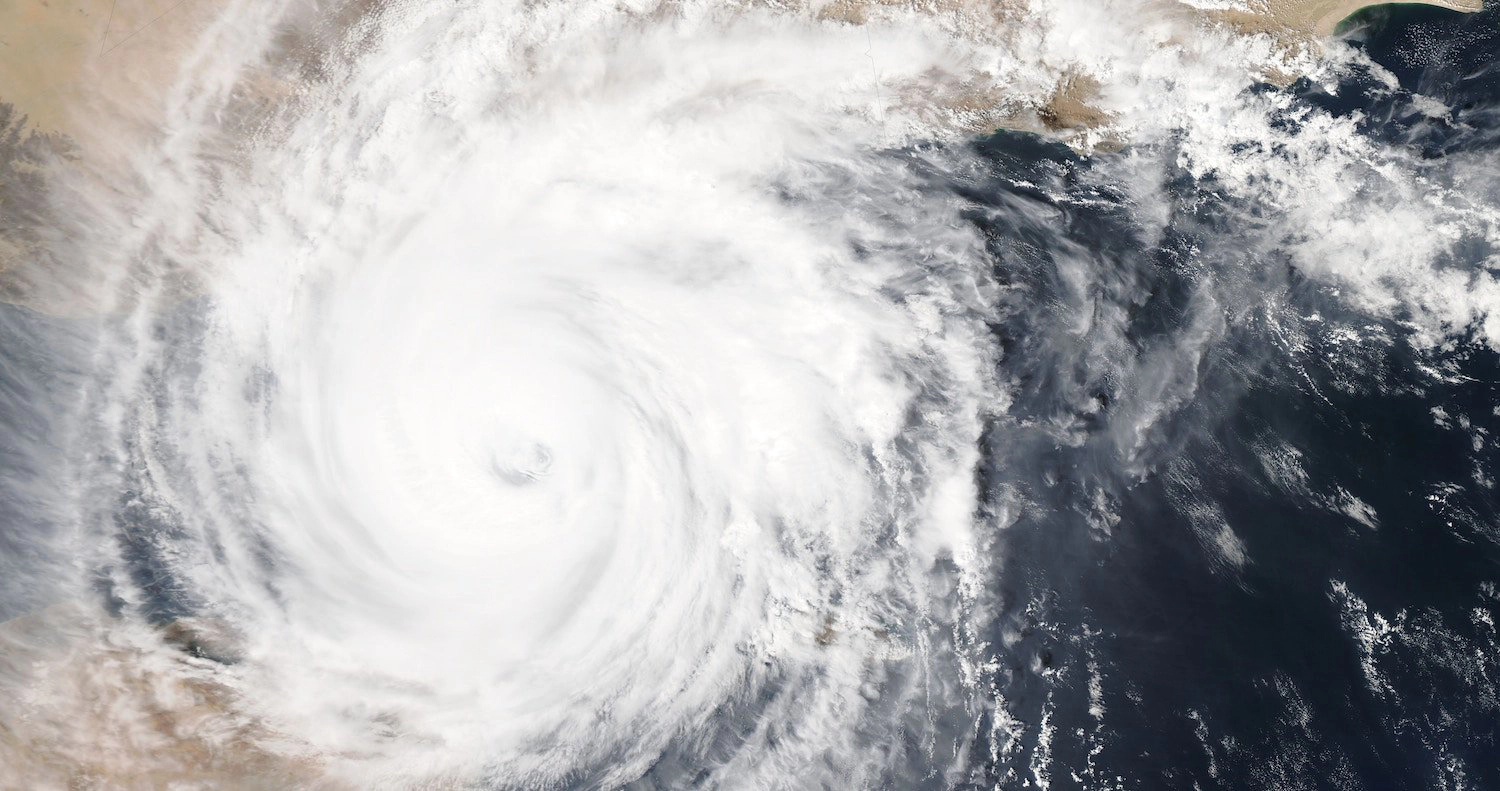
Now that Hurricane Dorian has come and gone, it’s worth noting the meat industry’s collective sigh of relief as a result of limited damage across the southeastern United States. With half of Georgia’s agricultural production in poultry, and North Carolina representing fourteen percent of the country’s total pork production, the stakes are always high. And historically, depending on how a hurricane hits, American meat production can take a serious hit.
2016’s Hurricane Matthew saw a drastic drop in hog slaughter numbers running up cutout values to $90/cwt before falling to $78/cwt only two weeks later. Last year’s Hurricane Florence claimed poultry losses north of 4 million birds, another example of the havoc Mother Nature can wreak for agribusiness leaders trying to plan around production and processing.
A Delicate Balancing Act
The unpredictability bred from natural disasters makes it impossible to accurately tell exactly how the meat industry can be affected. As we have seen in the Holcomb fire, a completely accidental event can have an impact on not just one plant, but entire supply chains. When at-random events can change pricing and supply chains almost instantly, making sound business decisions can become a delicate balancing act.
Nearly every economic sector is susceptible to natural disasters, but the meat industry is unique in that it involves huge numbers of live animals, large processing facilities, and complex supply chain dynamics. As the meat industry continues to grow, those at the top will need to devise foolproof and agile forecasting and decision-making methods to survive and thrive.