The Meat Industry's Coronavirus Conundrum
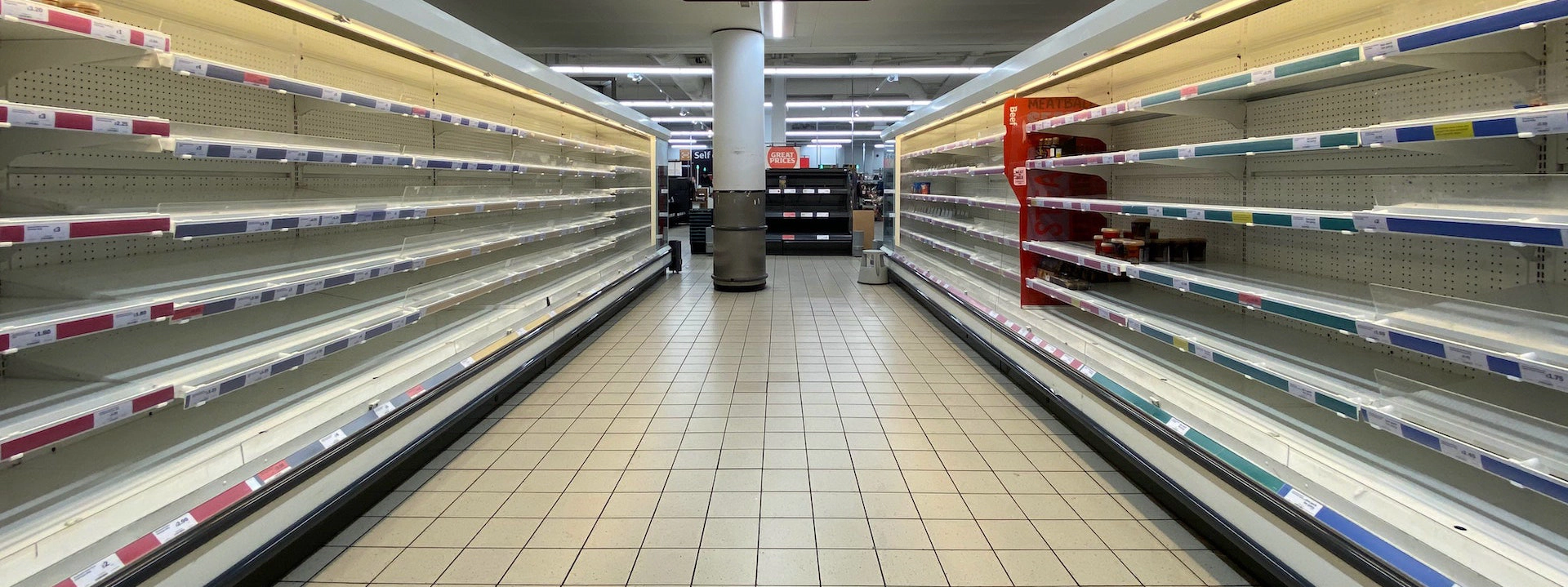
Published: March 23, 2020
Lower demand
With the World Health Organization (WHO) officially declaring the coronavirus outbreak as a pandemic, countries across the globe have pushed for an increase in social distancing and quarantines.
In many countries, most notably China and Italy, there have been nationwide lockdowns and non-essential shops like bars and restaurants have been closed. Countries like the United States have started to follow suit, with some states shutting down movie theaters, museums, dine-in restaurants, and other stores to try and prevent the coronavirus outbreak from spreading.
Because of the increased social distancing measures, lockdowns, and restaurant closures, many people are unable to head out to restaurants to eat their meals. This has had a significant impact on businesses like Hormel, which makes the majority of its revenue from selling meat products to restaurants and other businesses that offer food service.
With fewer people frequenting restaurants, there is less demand for these meat products. Hormel saw a tiny 1% increase in their first-quarter profits compared to a year ago due to this lack in demand from their plants in China, and they expect that their second quarter will be equally unimpressive.
This lack of demand has also influenced the cash fed and feeder cattle markets, which have seen huge drops since January. As cattle producers face difficulty making decisions based on the future of this coronavirus outbreak, they may see even larger drops in the near future.
Increased safety precautions
In efforts to keep people safe, businesses spanning a host of industries have had to enact new policies and safety measures in order to make sure that their employees stay safe and are not at an increased risk of exposure to coronavirus. Some of these measures have had a direct impact on these companies’ ability to produce and market their goods, which has affected their bottom line.
Tyson, for example, has taken certain precautions like suspending international travel, limiting the number of conferences they attend, and encouraging employees to stay home or self-quarantine when sick. These measures, while helpful for helping stave off the pandemic, have slowed production and marketing, contributing to their stock dropping 3.3% over the past week.
With the CDC recommending the cancellation of events with over 50 people in attendance, this leaves little room for companies in the meat industry to attend trade shows, conferences, and other events that would help boost business.
This is not just occurring in the United States, major players in the meat industry worldwide have had to cancel meat purchasing meetings in countries like China, which is currently one of the largest pork buyers due to the African Swine Fever, as a response to the coronavirus.
While these safety measures are a necessary precaution, they have had a negative impact on the meat industry.
Decreased trade
The coronavirus has also influenced trade within the meat industry. China, among other countries, has banned the trade and consumption of wild animals, as a result of the coronavirus, and reduced demand for meat has led to a decrease in meat imports during the first quarter of 2020.
This lack of trade has been especially hard on meatpackers and other meat giants who were stockpiling meat to meet the growing demand for pork products from countries like China and the Philippines that saw their pork production dwindle after facing African Swine Fever.
With people in those countries being quarantined and a sharp decline in the number of people able to visit restaurants, there is no longer a need for the meat these companies have stockpiled, which is causing them to take serious losses.
Responding to Coronavirus using DecisionNext
As you can see, unpredictable events, like the coronavirus outbreak, can have a significant impact, even on major players within the protein and meat industry.
While it is impossible to know exactly what the future holds, DecisionNext can help you navigate market volatility due to economic, geographic, and political crises, as well as market shifts caused by pandemics such as the coronavirus.
Reach out to info@decisionnext.com if your team is looking for immediate help in navigating tough questions like:
- How and when do we purchase?
- What pricing makes sense given the novel demand environment?
- How do we allocate scarce product across customers and geographies?
- How do we balance product availability vs. consumer demand?
Our think tank of DecisionNext advisors including industry CEO’s, Pricing Leaders, Sales Leaders and Strategists are ready to meet remotely to help!